Locations
 Apply now



Say “career in the Armed Forces” and most people picture the same three jobs: infantry soldier, sailor, or fighter pilot. The British Army alone recruits for more than 100 roles across seven career areas – combat, engineering, medical, intelligence and communications, logistics and support, music, and HR and finance. With around 182,000 people currently serving across the UK’s forces, the range of careers on offer is far wider than the recruitment adverts usually suggest and a Military Preparation Academy is where you find out which one fits you.
The careers that don’t make the poster
• Medical – army nurses, medics, physiotherapist officers, pharmacist officers, and biomedical scientists, many working to NHS-aligned standards
• Engineering – engineer officers, electronics technicians, vehicle mechanics, and combat engineers who build bridges, roads, and infrastructure as much as they do defence work
• Intelligence and communications – intelligence analysts, IT and signals specialists, linguists
• Logistics and support – supply chain operatives, drivers, movers, and logistics officers keeping entire operations running
• HR, finance and legal – HR officers, army legal services, education and training officers
• Music and creative roles – professional military musicians and photographers
• Skilled trades – plant operators, tradesmen, and technicians gaining qualifications that transfer directly to civilian careers
Salaries reflect that range too. A starting technician role begins around £26,000, while medical and engineering officer roles start in the low-£40,000s often with professional qualifications built into the training itself.
Why this matters if the “typical” military image doesn’t appeal
Plenty of school leavers rule out the Armed Forces early because they only picture combat roles. But if you’re more interested in fixing engines than firing weapons, more drawn to patient care than patrol duty, or more suited to logistics and planning than the front line, there’s very likely a role built around exactly that skill set with training and qualifications that hold real value in civilian life too.
How MPCT helps you find the right path
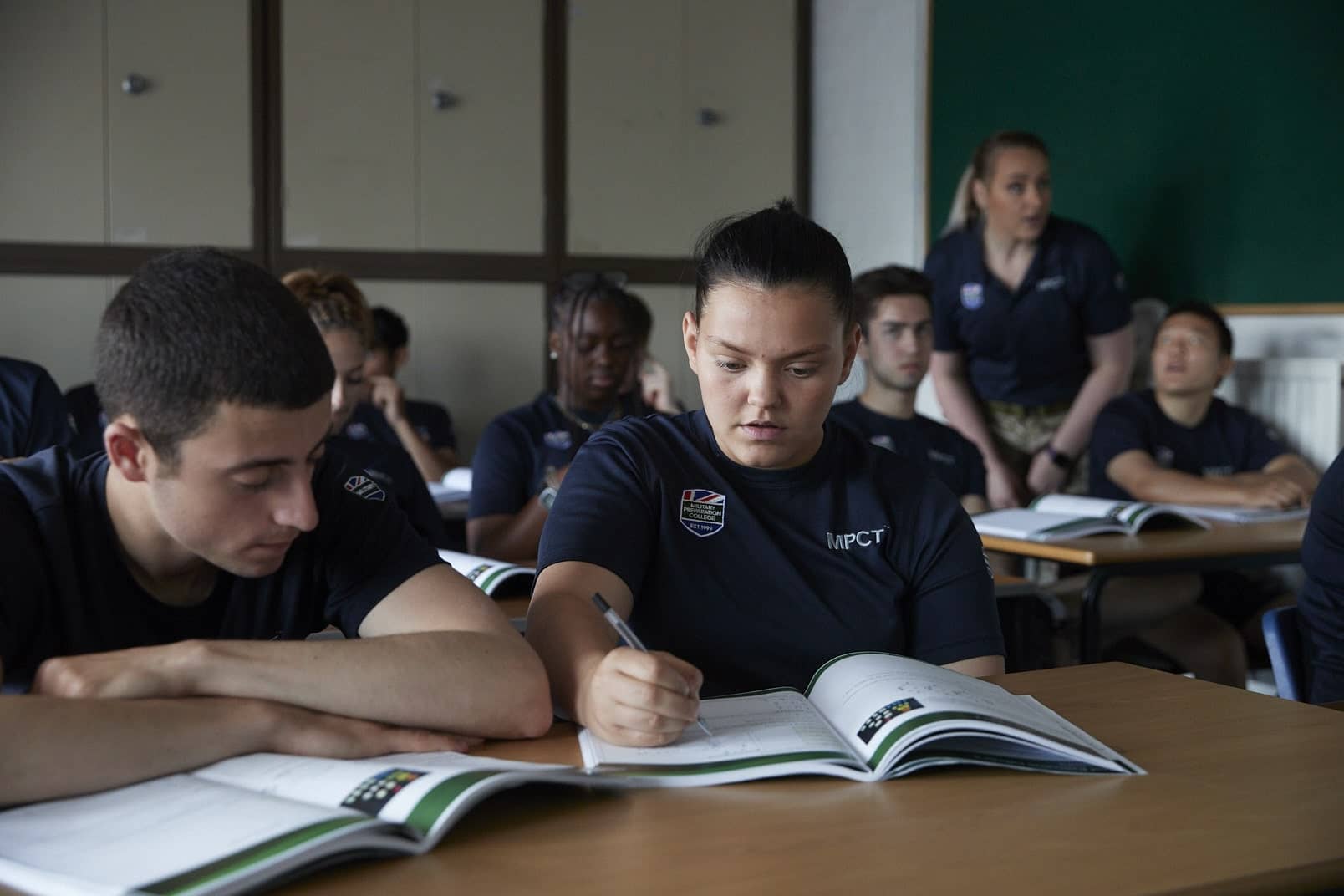
A Military Preparation Academy isn’t about funnelling everyone towards the same outcome. It’s about giving you the physical grounding, structure, and knowledge to make an informed choice about which of these career areas – if any – suits you.
• Broad exposure before you commit. You learn about the different corps, trades, and specialisms across the Armed Forces, not just the roles everyone’s heard of.
• Honest, experienced guidance. Instructors have served themselves and can speak to what specific roles are really like day to day not just what’s on a recruitment poster.
• Direct routes to recruiters. Monthly sessions with military and civilian recruiters mean you can ask real questions about specific roles, entry requirements, and selection processes.
• Support to qualify. Fitness preparation, selection support, and help with Functional Skills or GCSE resits mean you go into recruitment as a strong candidate, not an underprepared one.
• A genuine fallback, not a dead end. If you explore a Forces career and decide it’s not for you, the fitness, discipline, teamwork, and vocational skills built at MPCT still open doors into apprenticeships, further education, and employment elsewhere.
Choosing your path, not just a job
The point of a Military Preparation Academy isn’t to push you towards the nearest recruiting office – it’s to make sure that if you do apply, you’re applying for the role that fits your strengths, and applying as the strongest possible candidate. Whether that turns out to be engineering, medicine, logistics, or the front line, the goal is the same: the right path for you, chosen with your eyes open.
Curious which Armed Forces career areas could suit you? Visit Locations – MPCT to find your nearest MPCT academy and speak to our team.
Back to news articles