Locations
 Apply now

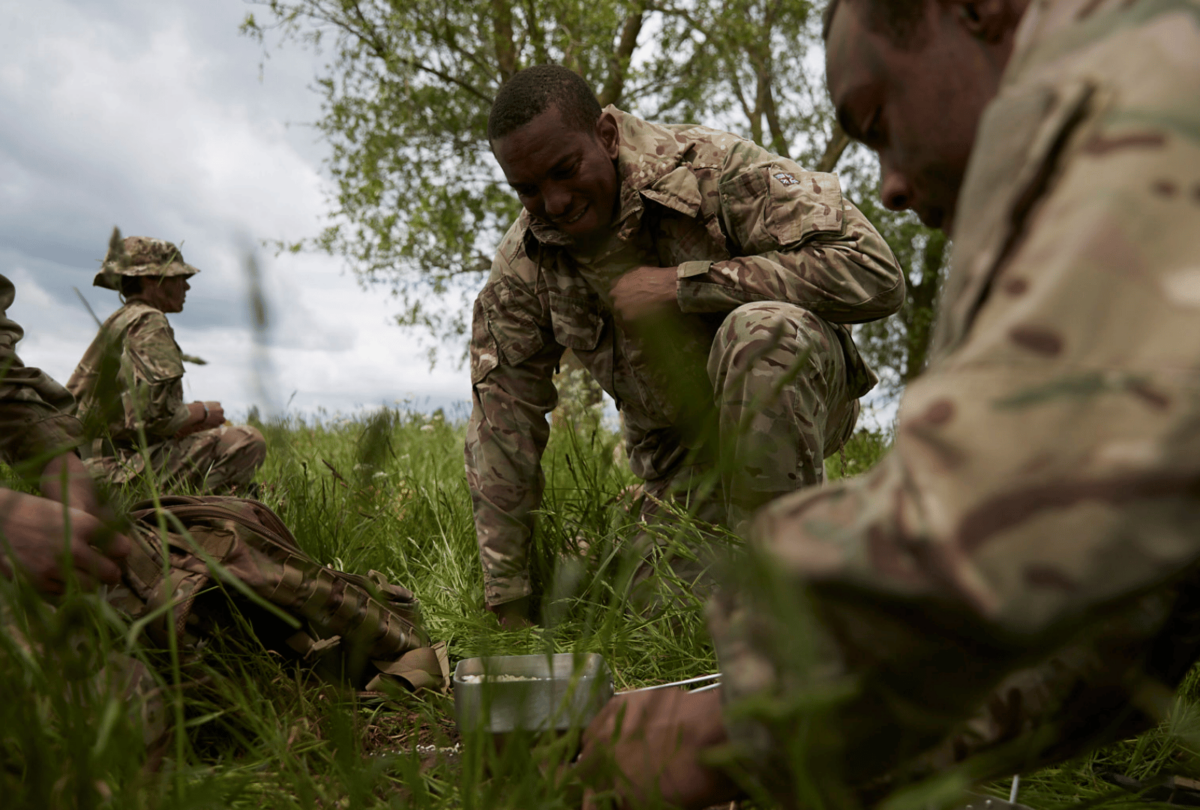
If you’ve ever watched an Army documentary, played a military game or thought about a career in the Armed Forces, you might have wondered what life is actually like.
Is it really as tough as people make out? What do you do all day? And would you actually enjoy it?
The truth is, military life is about much more than fitness and following orders. Here are 10 things you’d need to know.
- Your alarm clock might become your least favourite thing
Early starts are part of military life. You need to be ready to get moving, get organised and get the day started. If you’re someone who struggles to get out of bed before midday, you might need some practice!
- Fitness matters
You don’t need to be an elite athlete to start working towards a military career, but fitness is important. Running, strength, endurance and agility all play a part, which is why physical training is such a big part of preparing for the Armed Forces.
- You won’t be doing everything alone
One of the biggest things you’ll learn is how important teamwork is. Military tasks often rely on people working together, communicating clearly and supporting each other. Being the fastest or strongest person isn’t always what matters most.
- You’ll be expected to take responsibility
Forgot something? Didn’t prepare properly? Made a mistake? You’ll need to own it. Military environments place a big emphasis on responsibility, reliability and learning from mistakes.
- You’ll probably do things that make you uncomfortable
That doesn’t mean you’re constantly being pushed to your limits. It means you’ll be encouraged to try things you haven’t done before, whether that’s a physical challenge, speaking in front of people or taking responsibility for a team.
- Discipline isn’t just about rules
Discipline is really about doing what needs to be done, even when you don’t particularly feel like doing it. That’s a skill that can help you far beyond the military.
- You’ll need to communicate
Being able to explain an idea, listen to instructions and work with different people is hugely important. You might discover that communication is one of your biggest strengths.
- Not every military career involves combat
Think the Armed Forces only need soldiers on the front line? Think again. There are careers across engineering, healthcare, logistics, communications, technology, intelligence, HR, finance and many more areas.
- Things don’t always go perfectly
You will make mistakes. You might fail a challenge. You might struggle with something that someone else finds easy. That’s part of learning. The important thing is what you do next.
- You’ll learn a lot about yourself
Perhaps the biggest challenge is also the biggest reward. You’ll find out what you’re capable of when things get difficult, when you’re tired and when you have to work as part of a team. You might discover that you’re capable of much more than you thought.
Could you see yourself doing it?
You don’t have to have your entire future figured out at 16 or 17.
If you’re considering a career in the Armed Forces, there are ways to build your fitness, confidence, qualifications and employability skills before taking your next step.
That’s exactly the kind of preparation offered at MPCT Military Academies, where learners combine physical training, vocational learning and practical activities designed to prepare them for their future.
The question isn’t whether you could walk into your first day already knowing everything.
It’s whether you’re willing to learn.
Back to news articles